H3-22 | VEP 4, CE-SAT-1E & TIRSAT
任务详情
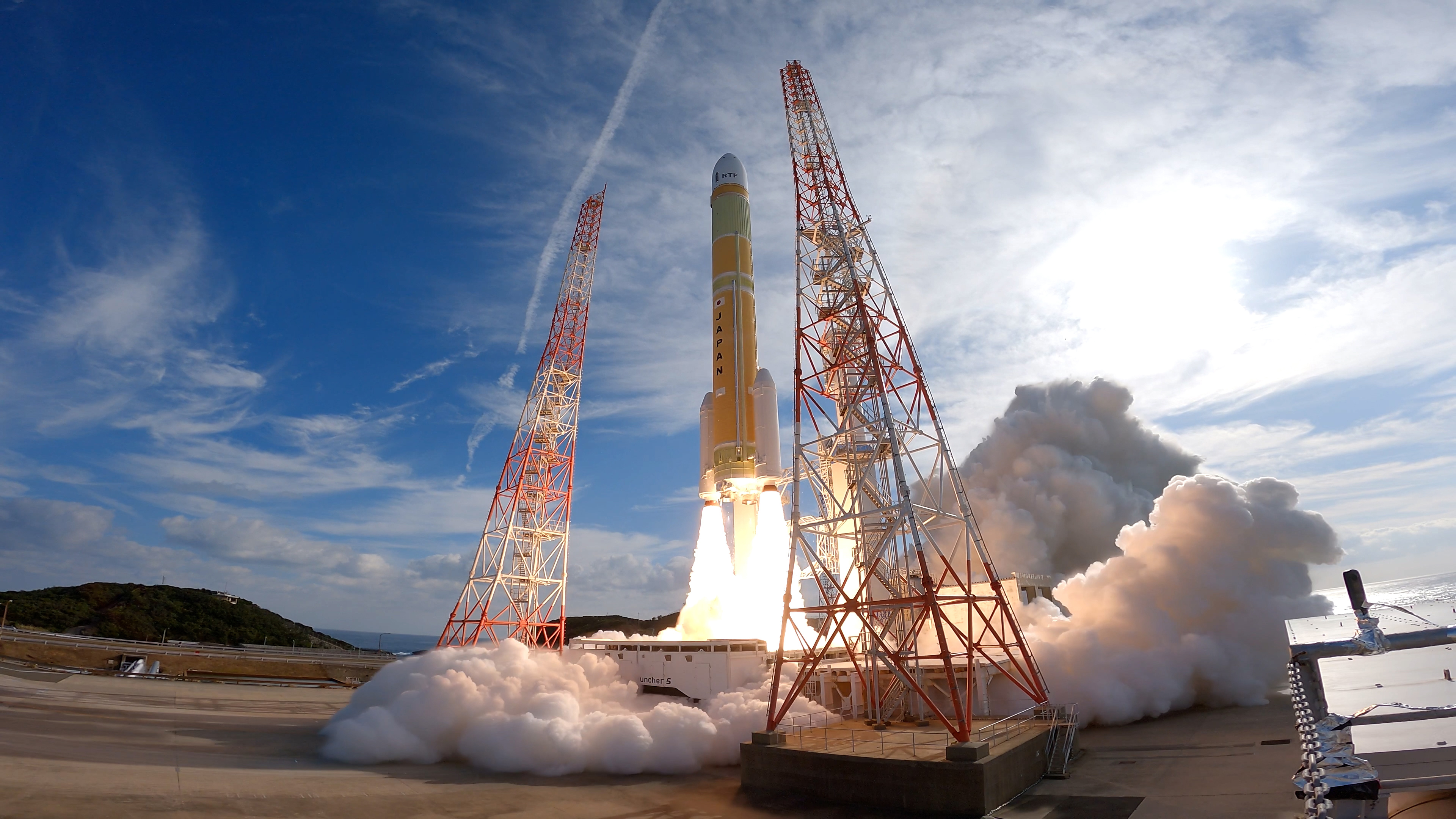
New test flight of the H3 ordered following the failure of the inaugural launch of H3 in March 2023 with ALOS-3. Main payload is VEP 4 (Vehicle Evaluation Payload 4), a 2.6 tonnes mass simulator payload that will be carried on the 2nd test flight of the H3 rocket, instead of the ALOS-4 Earth observation satellite as originally planned. It will be deployed after the 2nd de-orbit burn is completed to test the payload separation mechanism. 2 hitchhiking secondary payloads have been selected in June 2023: * CE-SAT-1E - 70 kilograms class optical Earth observation satellite from Canon Electronics Inc., similar to the previously launched CE-SAT-1. * TIRSAT - 3U cubesat by Japan Space Systems and other institutes to test an infrared sensor for Earth surface observation purposes.
运营机构
Japan Aerospace Exploration Agency
火箭详情
基本信息
| 名称 | H3-22 |
| 全名 | H3-22 |
| 家族 | H3 |
| 型号 | 22 |
| 制造商 | 三菱重工业株式会社(三菱重工) |
规格参数
| 长度 | 63 m |
| 直径 | 5.27 m |
| 最小级数 | 2 |
| 最大级数 | 2 |
| 起飞质量 | - t |
| 起飞推力 | 7542 kN |
| LEO运力 | - kg |
| GTO运力 | 5400 kg |
| 首飞时间 | 2023-03-07 |
描述
The H3 Launch Vehicle is a Japanese expendable launch system. Each H3 booster configuration has a two-digit and a letter designation that indicates the features of that configuration. The first digit represents the number of LE-9 engines on the main stage, either "2" or "3". The second digit indicates the number of SRB-3 solid rocket boosters attached to the base of the rocket, and can be "0", "2" or "4". All layouts of solid boosters are symmetrical. The letter in the end shows the length of the payload fairing, either short "S" or long "L". For example, an H3-24L has two engines, four solid rocket boosters, and a long fairing, whereas an H3-30S has three engines, no solid rocket boosters, and a short fairing.
发射场详情
| 发射场名称 | 种子岛航天中心,日本 |
| 发射工位 | 吉信发射综合体LP-2 |
| 国家 | Japan |
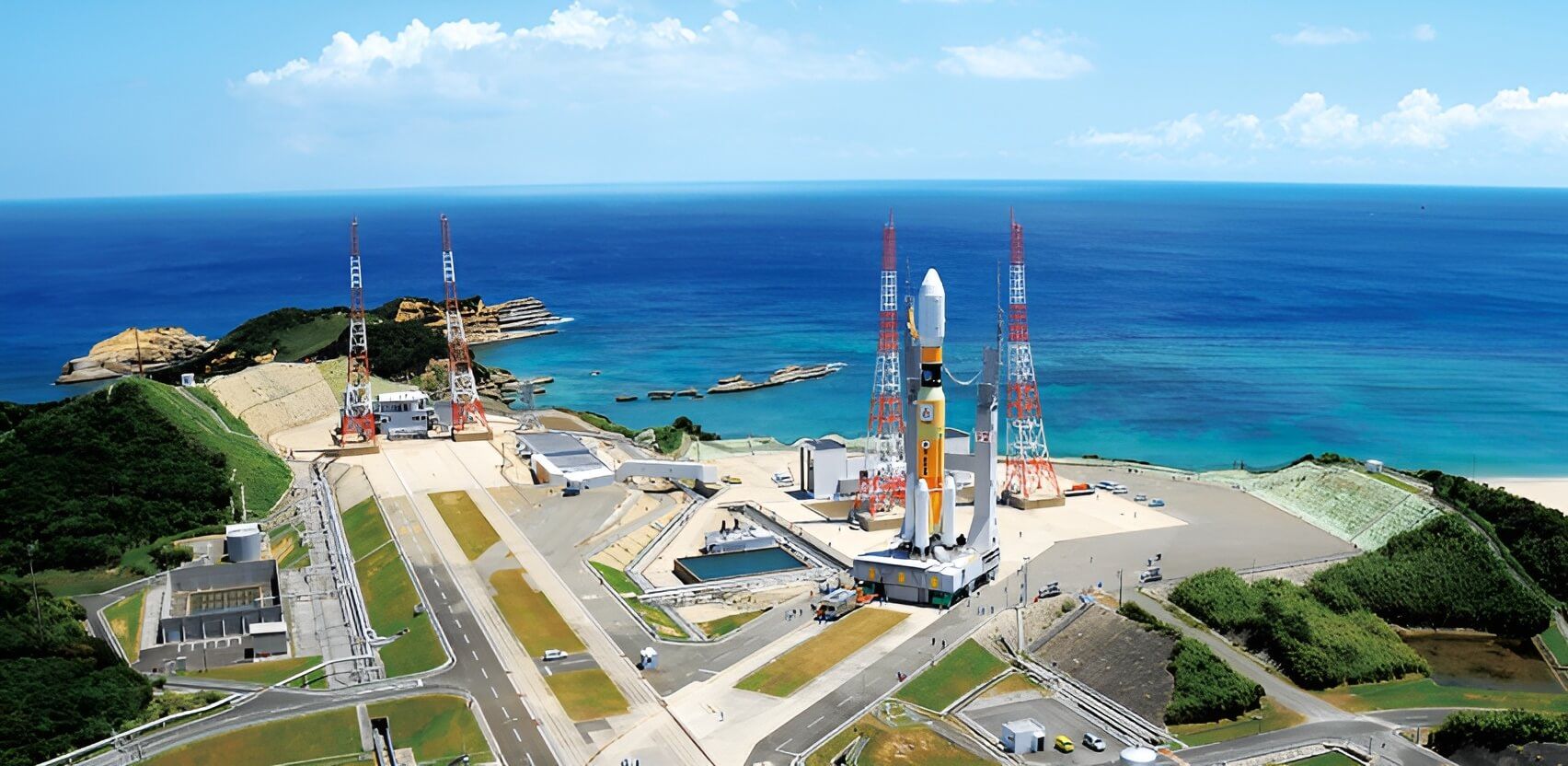
| 经纬度 | 30.400938, 130.97564 |