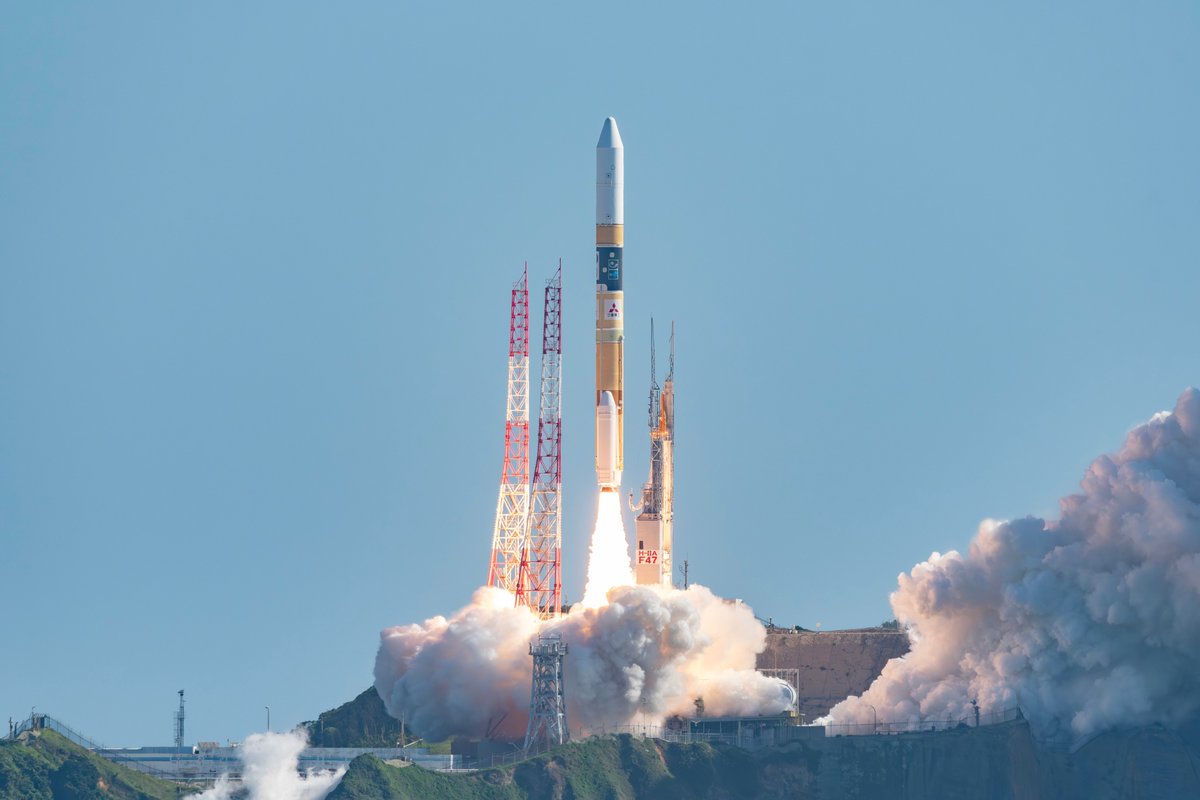
H-IIA 202 | IGS Optical 7
任务详情
Information Gathering Satellite (IGS) is a Japanese governmental spy satellite program. IGS Optical 7, as the name suggests, is an optical reconnaissance satellite. Japan began development of IGS in the late 1990s, following North Korea’s attempted satellite launch in 1998. Although the North Korean launch failed to reach orbit, the rocket carrying it crossed Japan during its ascent, sparking fears that North Korean missiles would be able to target the islands. With IGS, Japan aimed to develop an independent reconnaissance capability to monitor future threats. The constellation can also be used for disaster monitoring and other civilian applications by the Japanese government.
运营机构
未知
火箭详情
基本信息
| 名称 | H-IIA |
| 全名 | H-IIA 202 |
| 家族 | H-II |
| 型号 | 202 |
| 制造商 | 三菱重工业株式会社(三菱重工) |
规格参数
| 长度 | 53 m |
| 直径 | 4 m |
| 最小级数 | 2 |
| 最大级数 | 2 |
| 起飞质量 | 285 t |
| 起飞推力 | 2260 kN |
| LEO运力 | 10000 kg |
| GTO运力 | 4100 kg |
| 首飞时间 | 2001-08-29 |
描述
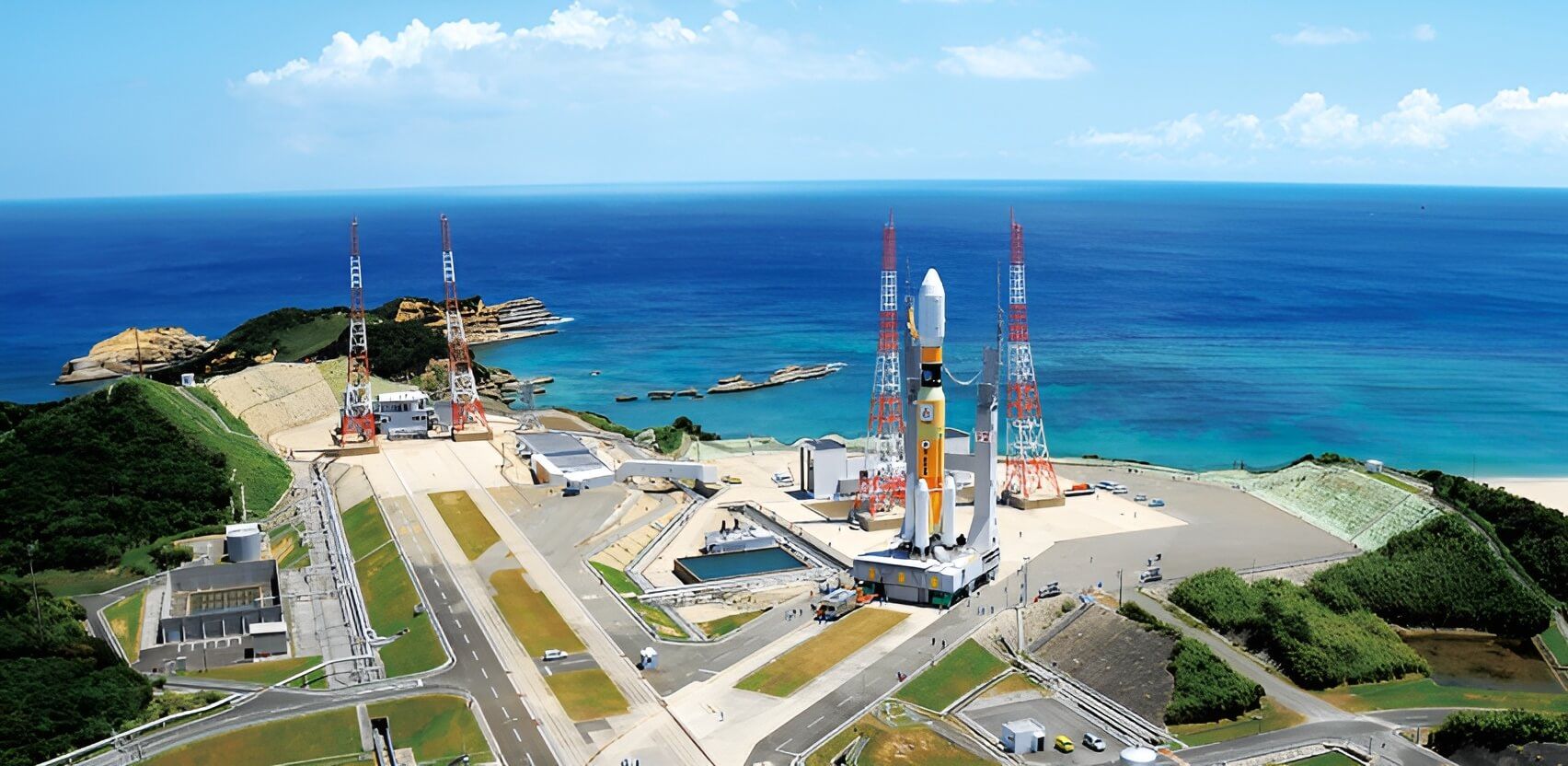
H-IIA (H2A) is an active expendable launch system operated by Mitsubishi Heavy Industries (MHI) for the Japan Aerospace Exploration Agency. The liquid-fueled H-IIA rockets have been used to launch satellites into geostationary orbit, to launch a lunar orbiting spacecraft, and to launch Akatsuki, which studied the planet Venus. Launches occur at the Tanegashima Space Center.
发射场详情
| 发射场名称 | 种子岛航天中心,日本 |
| 发射工位 | 吉信发射综合体LP-1 |
| 国家 | Japan |
| 经纬度 | 30.400813, 130.977748 |